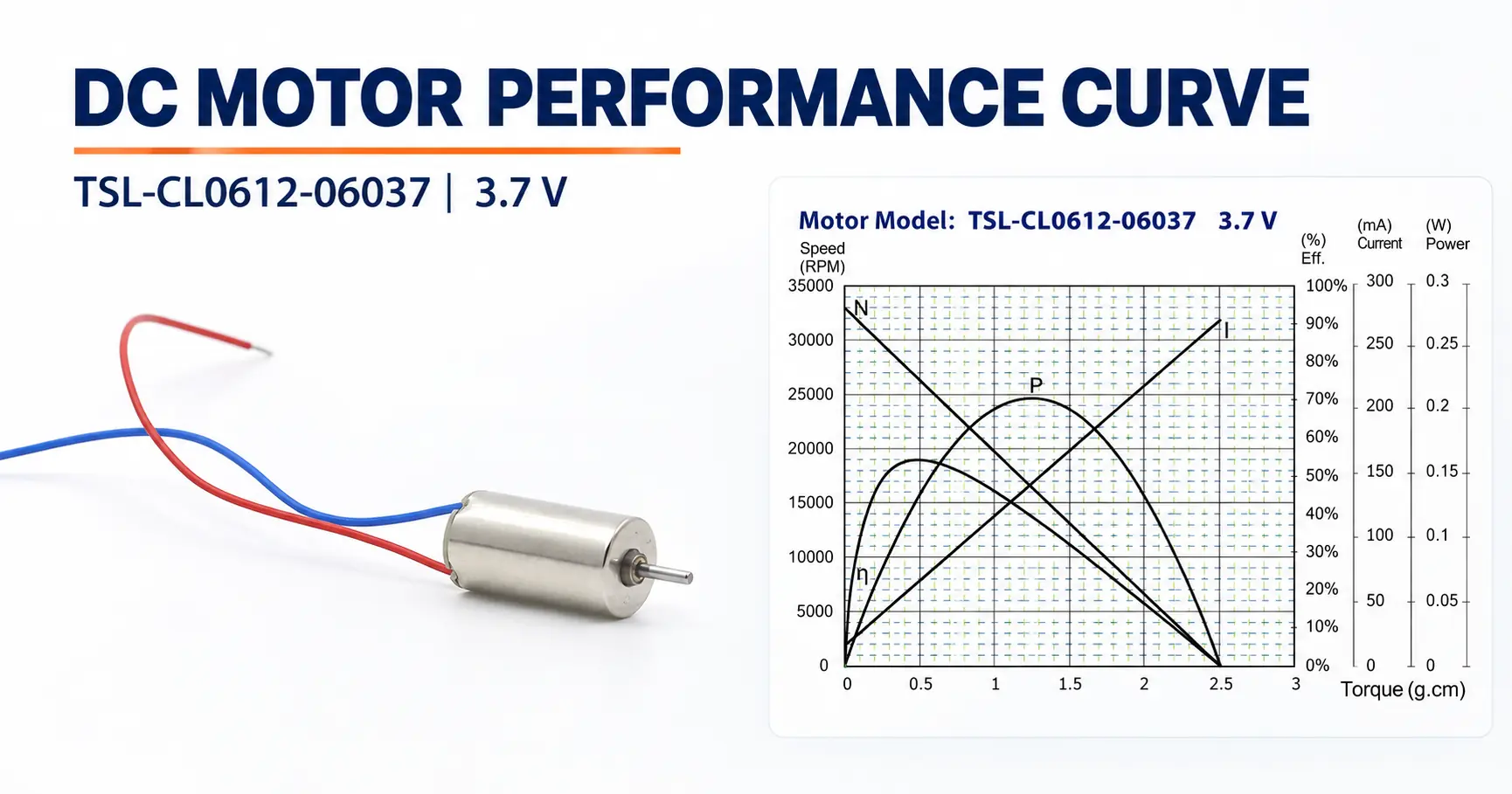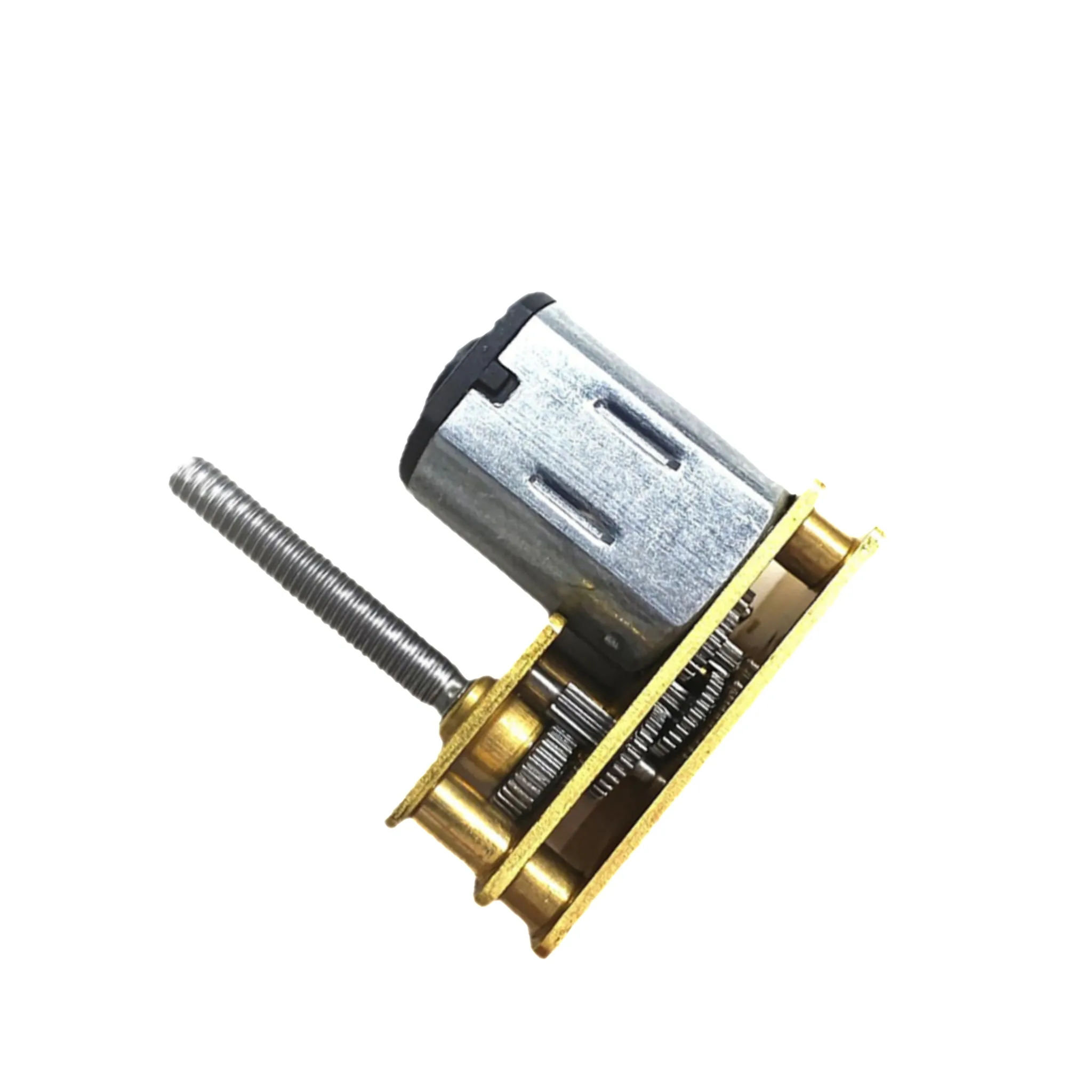
Prominent forward-looking linear resonant actuator motors provide a special approach to energizing miniature devices. Unlike usual rotary motors, these engines manifest linear motion directly, offering augmented efficiency and remarkably intense power density among their astonishingly tight footprint. This technology finds utility in realms like detailed robotics, medical gadgets, and even leading-edge consumer electronics where confined space and accurate movement are imperative. Moreover, their resonant design allows them to operate with curtailed energy consumption upon correct tuning, making them an increasingly desirable option for sustainable projects.
Magnet-free speed-reducing drives provide a singular combination of top-notch functionality, commonly deployed where space is narrow and consistent torque is imperative. Contrary to conventional gear motors, these products feature a coreless build – essentially eliminating the iron core from the system’s stator. This yields substantially reduced drag, allowing quicker acceleration and smoother responses with refined adaptability to load changes. The inclusion of a premium gearbox ensures that even at relatively low voltage, you achieve considerable energy, making them optimal for uses spanning robotics, medical devices, automated blinds, and camera mechanisms. This design often produces less heat in operation, extending overall durability and diminishing upkeep needs.Harmonic drive power units embody a considerable advance in strength transfer, providing unparalleled solidity and strikingly condensed mass. This variety of design utilizes numerous distributed pinions orbiting a central center, dividing the burden among many segments, yielding exceptional turning power capacity and boosted yield. Hence, they appear increasingly applied in demanding arenas such as robotics, electric vehicles, and industrial automation where both substantial power density and reliability are crucial.Low-profile 20 Motor Encoders: Low-voltage Meticulousness Control
The following rotary detectors deliver superior precision and unfailing performance when matched with N20 motors, specifically tailored for a varied assortment of applications. Running at a convenient 3V, the aforementioned encoders significantly simplify system integration and decrease complete power expenditure.
Low-profile 20 Motor Encoders: Low-voltage Meticulousness Control
The following rotary detectors deliver superior precision and unfailing performance when matched with N20 motors, specifically tailored for a varied assortment of applications. Running at a convenient 3V, the aforementioned encoders significantly simplify system integration and decrease complete power expenditure.- Improved positional accuracy.
- Straightforward electrical connections.
- Tiny form factor suited for space-restricted designs.
Examining Vibration Motor, Coreless, and Solar Coupling Units
If selecting a actuator, understanding the divergences among LRA, coreless, and planetary gear motor types is important. Linear resonance drives generally provide high rotational force at the expense of lower speed and efficiency; they suit applications requiring strong lifting or pushing capabilities. Ironless electric motors offer outstanding speed control, reduced noise, and enhanced efficiency versus brushed designs—ideal when precise movements under moderate load are required. Distributed gear motors implement gearing within the motor assembly, enabling substantial speed decrease, increased energy output, and compact form—perfect for applications demanding high torque and slower speeds. Eventually, the optimal choice depends on specific application needs, balancing factors like effectiveness, size constraints, and desired operational features.
- LRA Motors:Robust Torque Delivery
- Coreless Motors:Excellent Speed Control
- Planetary Gear Motors:Augmented Power Transmission
Reviewing N20 Motor Sensor Applications at 3V
Assessing Micromotor 20 power unit rotation analyzer functions operating at this low-voltage supply is important for corrected alignment plus momentum adjustment. Common examples contain robotic applications, handheld unmanned aerial vehicles, and even domestic hardware. The minimal voltage grants a guarded n20 motor encoder 3v operational space, particularly in battery-powered structures. Fitting feedback pick and regulator layout are indispensable to realize maximum performance.Electing the Right Motor: Linear Drive vs. Coreless vs. Satellite
Choosing an fitting motor for one’s application can be complicated. A few popular classes – LRA (Linear Rotary Actuator), coreless, and planetary gearmotors – each bring distinct benefits. LRA motors generate linear motion, suited for propelling tasks, although generally less rapid. Coreless motors present remarkable responsiveness and diminished inertia, allowing precision in robotics or medical devices; however, they may exhibit a contracted operational life. In conclusion, planetary gearmotors employ gear assemblies to augment torque and lower rotational speed, ideal for high-power requirements at reduced RPM—typical in conveyor belts or winch operations; their size may be more massive compared to other motors. Assess specific demands—power needs, precision, spatial limitations, and budget—to make an educated choice.
- LRA motors:Perfect for linear propulsion
- Coreless motors:Optimized for subtle moves
- Planetary gearmotors:Top choice for heavy loads
Enhancing Your Project with a 3V N20 Motor Encoder
Fitting a compact 3V N20 engine encoder into your setup can significantly enhance effectiveness. These appliances offer precise displacement, allowing better control and lessened error in robotic, automated, and hobbyist works. Careful appraisal of encoder resolution, sort, and mounting procedure is vital to achieve optimal gain. By accurate measurement of angular position, you streamline your design's usefulness to reach a superior degree of control.
Examining High-Effective Miniaturization: Oscillator & Miniature Gearbox Solutions
The urgency for ever-more compact devices is spurring notable progress in high-reliable miniaturization. Two pivotal technologies surfacing as solutions are Linear Resonant Actuators (LRAs) and miniature speed reducer assemblies. LRAs provide direct linear movement, enabling exact positioning without complex mechanical transformation. However, their use may be constrained by energy requirements. Conversely, micro gearbox systems offer torque multiplication from a smaller motor, providing higher force output within tight areas. Choosing the right solution—whether LRA or compact gear motor—requires careful assessment of voltage requirements, force necessary, attainable speed, size limits, and system cost.
- Perks of LRAs: Straight-line propulsion
- Hurdles of LRAs: Fuel needs
- Functions of Gear Motors: Force-hungry, compact spaces